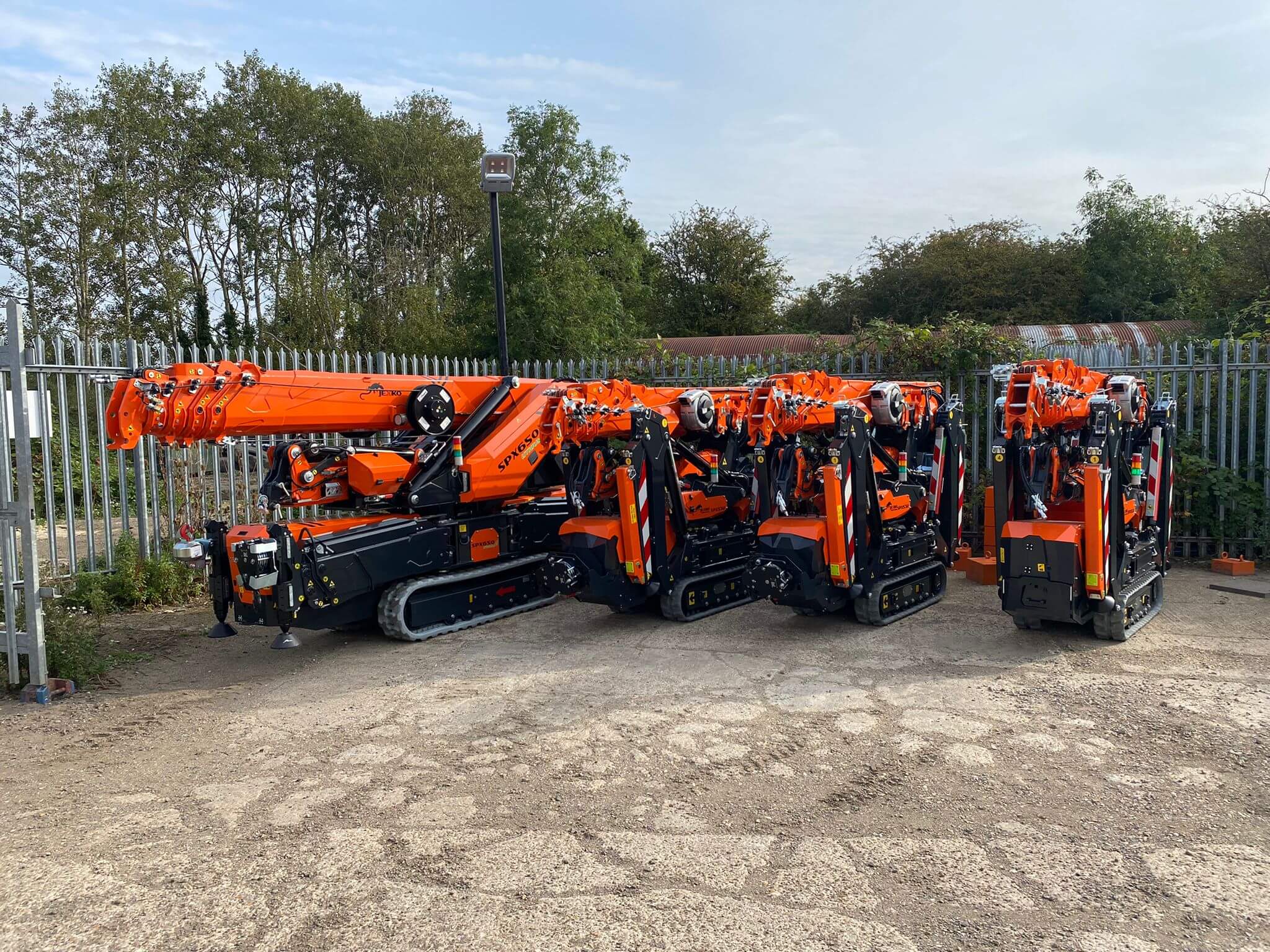
Melbourne has plenty of lifting jobs where a large crane simply does not fit the space. Think narrow side access, small courtyards, rooftops, plant rooms, laneways, residential builds, and compact commercial sites. The load may not be huge, but the access can make the job difficult.
That is where mini crane hire in Melbourne becomes useful. Mini cranes are designed for work where space is limited but control still matters. They give crews a way to lift, place, and position materials without forcing oversized equipment into the wrong environment.
Tight Access Is About More Than Narrow Spaces
People often think tight access means a small doorway or a narrow driveway. Sometimes it does. But in lifting work, tight access can mean anything that limits setup, movement, reach, or safe positioning.
A site may have enough room for people to walk through, but not enough for a large crane. A rooftop may allow workers and materials, yet not support heavy machinery. A plant room may have a lift point inside the building, but very little room to manoeuvre.
Mini cranes work well in these situations because they are compact and controlled.
They can be useful for:
- Rooftop lifting
- Air conditioning installation
- Stair and glass placement
- Material handling
- Plant maintenance
- Indoor or semi-enclosed spaces
- Small civil and residential works
The big benefit is access. A mini crane can often get closer to the work area than a larger crane. That can reduce the lift distance and make the job easier to manage.
Still, small does not mean casual. The crew still needs to check the weight, load path, ground support, weather, and working area. Mini cranes solve access problems, but they still need proper lift planning.
Ground Conditions Can Decide the Crane Choice
A tight site may also have ground that cannot handle heavier equipment. This is common on rooftops, suspended slabs, landscaped areas, internal spaces, and older building sites. If the ground cannot take the pressure, the team needs a crane option that spreads weight more carefully.
Mini crawler cranes can be helpful because they are built for restricted areas and controlled positioning. Their crawler base can support better movement across certain surfaces, while their compact size makes them easier to place near the work.
Before choosing one, the team should ask:
- Can the surface support the machine and load?
- Will mats or additional ground protection be needed?
- Is the path clear from entry to setup point?
- Are there steps, slopes, trenches, or soft spots?
- Does the crane need to work indoors or near finished surfaces?
- Is there enough room for stabilisation?
This matters because a lifting job is only as safe as the surface under it. A crane that fits through access still needs a stable working position.
The load matters too. Mini cranes can handle impressive tasks for their size, but the lift must stay within the right working limits. Weight, radius, height, and load shape all affect what is possible.
A good mini crane job is measured, not rushed. The crew checks the route, sets up carefully, and keeps the work area controlled.
Mini Cranes Help Reduce Site Disruption
Large cranes can take up valuable space. They may need traffic control, a bigger setup area, longer planning, or more site changes before the lift can happen. That is necessary for many jobs, but not every job needs that level of footprint.
Mini cranes can reduce disruption on smaller or tighter projects. They can often work closer to the lift point, fit into restricted zones, and help crews avoid pulling apart large areas of the site just to place one load.
This can help when:
- Other trades need to keep working nearby
- Access cannot be blocked for long
- A load needs careful placement
- Finished areas need protection
- The site has limited storage or turning space
- The lift window is short
There is also a practical rhythm to mini crane work. The crane arrives, gets into position, completes the lift, and moves out without overwhelming the whole site.
This is especially useful for retrofit projects, maintenance tasks, apartment works, and residential builds where space is already tight. Instead of trying to bend the site around a large machine, the team can use equipment that better suits the setting.
The result is not just a smaller crane. It is a cleaner way to handle lifting in awkward places.
Conclusion
Mini cranes are built for tight access projects because they give teams lifting strength without demanding a large footprint. They work well where access, ground pressure, indoor movement, or limited setup space makes larger cranes difficult to use.
The key is choosing them for the right reason. When the load, surface, access route, and lift point are checked early, a mini crane can make a difficult job feel far more manageable. For many Melbourne projects, that smaller setup can be exactly what keeps the work moving.