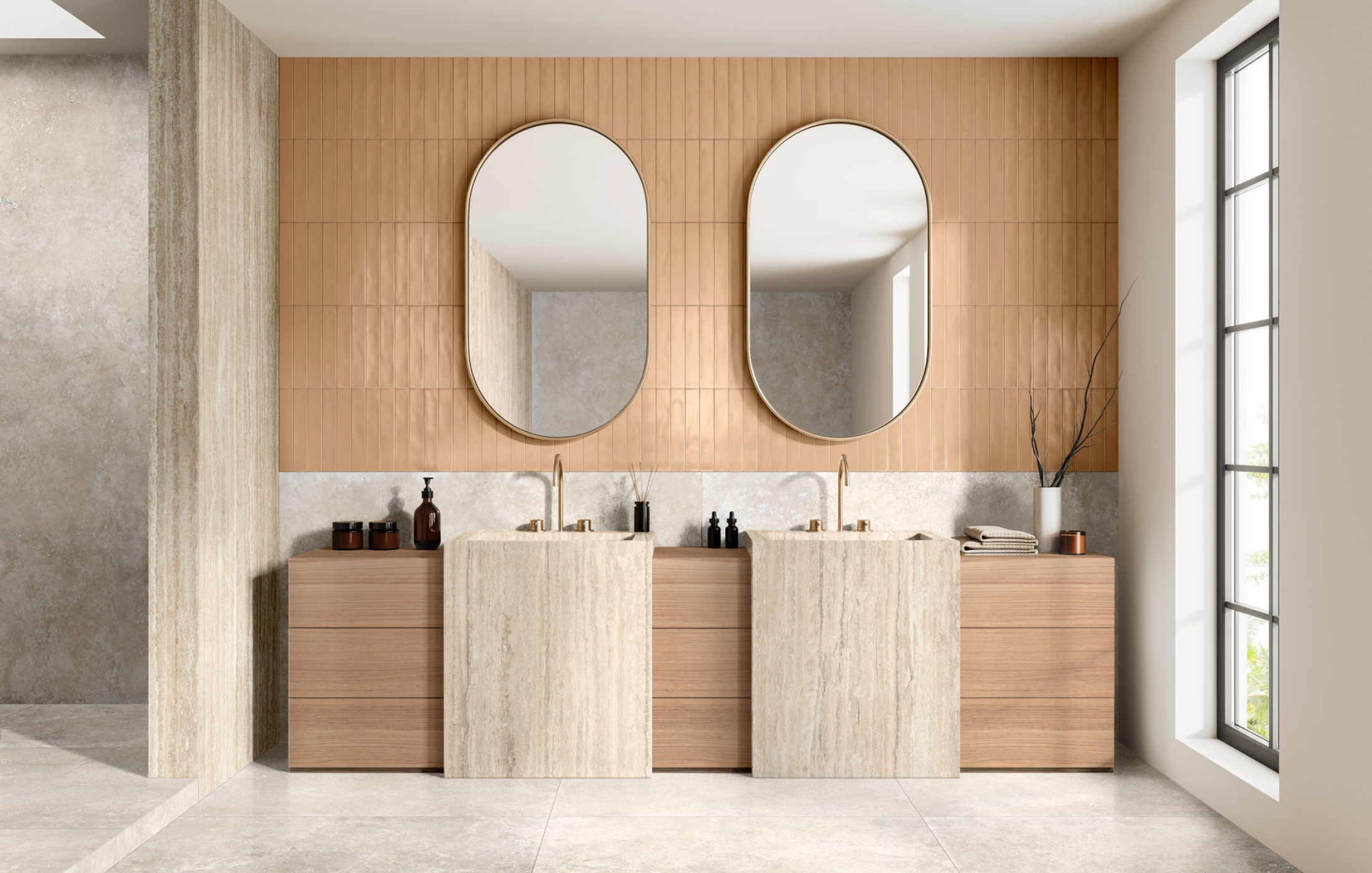
Bathroom tile selection affects hygiene, footing, moisture control, and visual comfort every day. Melbourne homes often deal with cool mornings, steam-heavy showers, and light that shifts sharply across seasons, so surfaces need closer review than colour cards suggest. A sound choice usually weighs slip resistance, water absorption, grout upkeep, and room scale before style enters the shortlist.
Start With Room Needs
Early planning usually starts with splash zones, ventilation, sunlight, and how many people use the room each day. Those basics explain why bathroom tiles melbourne searches often lead homeowners to compare porcelain, ceramic, and textured surfaces side by side, rather than choosing from display boards alone. Showroom lighting can soften glare, hide pore depth, and mask how a finish behaves when steam, soap, and bare feet are involved.
Match Material To Use
Porcelain is widely chosen for busy bathrooms because it absorbs little moisture and holds up well under daily traffic. Ceramic still suits powder rooms or lighter-use areas where cost matters more. Stone can look beautiful, yet sealing needs and stain risk rise with that choice. A practical shortlist should compare absorption rate, scratch tolerance, cleaning effort, and slip performance before any final decision is made.
Use Size For Balance
Tile size changes how the body reads a room. Large pieces can calm a compact bathroom because fewer grout joints interrupt the eye. Small formats often work better on shower floors, where extra lines can improve traction under wet feet. Balanced layouts usually pair broader wall tiles with smaller floor units. That mix supports drainage, reduces visual noise, and keeps niches or corners easier to finish neatly.
Choose Finishes For Safety
Surface finish deserves close attention because slip injuries often happen during ordinary routines. Glossy wall tiles can reflect light well, yet polished flooring may feel unstable after bathing. Many households now test samples barefoot before ordering. Matt porcelain, gentle texture, and mosaic shower floors often provide steadier footing without creating a surface that traps soap scum. Safety should feel built in, rather than added as an afterthought.
Plan Colour With Light
Colour choice works best when guided by actual light conditions inside the room. South-facing bathrooms can appear colder, so warmer whites, sandy neutrals, or soft stone shades may prevent a stark result. Strong daylight can carry deeper tones without shrinking the space. Samples checked in the morning, midday, and evening usually reveal the true effect. That simple step can prevent finishes that feel clinical, dull, or unexpectedly heavy.
Check Joints And Upkeep
Grout has a large effect on cleanliness, maintenance time, and the final visual finish. Pale joints can keep a bathroom brighter, although darker tones may disguise soap marks near wet areas. Epoxy options resist staining well, yet they cost more at the start. Wider joints suit handmade tiles, while rectified pieces allow tighter spacing. Those details shape how easily surfaces wipe down months after installation has ended.
Compare Costs By Lifespan
Upfront price matters, though long-term wear often matters more. Australian bathroom tiling can range from about $50 to $250 per square metre, depending on the product grade and labour. Lower-cost material may chip sooner, absorb marks faster, or require more frequent care. Many Melbourne households settle on porcelain because it offers a sensible balance of durability, stain resistance, and manageable upkeep across years of regular household use.
Sample Before Buying
Full-size samples give better guidance than small chips or online photos. Texture, edge shape, and reflected light are notoriously difficult to judge on a screen. Good planning should also test tile placement around drains, niches, vanities, and feature walls before purchase. A clean set-out reduces waste and avoids thin slivers at visible edges. That preparation usually supports straighter lines and a calmer, more resolved result after installation.
Respect Installation Quality
Even excellent tile can fail if the substrate moves, the adhesive coverage is poor, or waterproofing is incomplete. Bathrooms need correct falls, stable backing, and clean cuts around fittings before surfaces are laid. Rushed work may leave lipping, hollow spots, or drainage problems that become obvious during daily use. Early discussion with a qualified tiler helps confirm suitability, reduce delays, and limit expensive corrections once fixtures arrive.
Factor In Ventilation
Ventilation affects tile performance more than many buyers expect. Rooms with weak airflow hold moisture longer, which can encourage mould growth and slow drying around joints. Dense surfaces and stain-resistant grout often make more sense in those settings. Textured flooring can improve grip, though deep ridges may collect residue and need firmer scrubbing. The strongest choice usually balances traction, washability, and moisture control without creating extra maintenance.
Conclusion
A successful bathroom tile choice usually starts with function, then moves to appearance once safety and upkeep are clear. Households that compare absorption, traction, grout care, room scale, and lighting early often avoid costly changes later. Style still matters, yet practical performance should guide the first cut. With careful sampling, sound installation, and finishes matched to daily use, the room can stay cleaner, safer, and visually settled for many years.