Introduction
Relocating a piano requires more than lifting strength. Each instrument has delicate parts, uneven weight distribution, and finishes that can mark easily. Tight hallways, stairs, driveways, and changing weather add further risks. Skilled crews reduce those hazards through careful planning, suitable equipment, and clear communication. Their method protects the instrument, the property, and everyone nearby. As a result, households gain a calmer relocation process, with fewer surprises from the first assessment through final placement.
Choosing the Right Moving Team
A piano requires handling knowledge that differs from ordinary furniture work. Families seeking piano moving specialists in Auckland can assess relevant experience, equipment, insurance, and local route knowledge before booking. These details help identify a crew prepared for upright and grand instruments. Clear questions about stairs, access, timing, and protection also reveal whether the provider has considered each practical risk.
Planning Before Collection
Good preparation starts with a property review. Staff measure doorways, corridors, stairwells, lifts, and outdoor paths. They note sharp turns, low ceilings, loose surfaces, and narrow gates. This information supports a safer route plan and helps determine crew size. Early checks can also identify doors or fittings that need temporary removal. Such planning limits rushed decisions on collection day.
Using Suitable Equipment
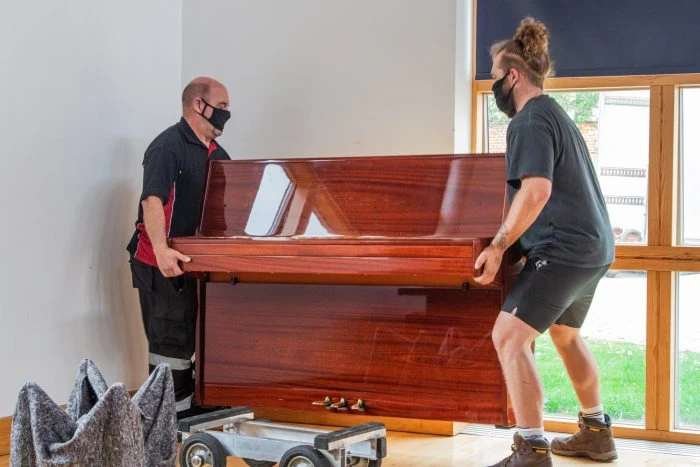
Pianos require more than basic straps and a vehicle. Crews may use piano boards, padded covers, stair rollers, dollies, ramps, and secure tie-down points. Each item has a defined purpose during lifting or transport. Padding shields polished surfaces, while boards spread pressure across stronger sections. Proper tools also reduce strain on handlers, which supports steadier control.
Protecting the Instrument
A piano contains sensitive mechanisms that respond poorly to sudden shocks. Workers wrap the case, cover pedals, protect corners, and secure the keyboard area. Grand piano legs may require removal, with labelled hardware stored safely. Upright models need stable support during movement. These measures reduce scratches, impacts, and internal shifts that could affect later tuning or playability.
Managing Stairs and Narrow Access
Stairs create one of the highest-risk parts of a piano relocation. Teams inspect the angle, width, railing position, and landing space before starting. Several handlers may coordinate each lift through clear verbal cues. Controlled movement keeps the instrument balanced and prevents contact with walls. Where access proves unsuitable, crews can discuss another entry point before loading begins.
Loading and Transport
Vehicle placement matters because a level, close parking position reduces carrying distance. Staff use ramps or lifting aids when appropriate, then secure the instrument against movement. Blankets and restraints help limit vibration during travel. Drivers select routes with suitable road conditions and allow extra time for careful turns. A calm pace protects both cargo and vehicle interior.
Clear Communication During Relocation
A reliable process depends on shared information. The household should provide accurate details about entrances, parking, stairs, gates, and arrival preferences. The crew can then confirm timing, access requirements, and any special concerns. Updates become useful when conditions change, such as rain or blocked parking. Direct communication reduces waiting, confusion, and avoidable handling.
Timing and Weather Considerations
Rain, strong wind, and wet surfaces can increase slipping risks. A covered waiting area keeps the instrument protected between rooms or vehicles. Teams may adjust the schedule when conditions threaten safe handling. Dry floor coverings also help preserve grip inside the property. Selecting a practical time of day can improve visibility, parking access, and coordination.
Placement and Final Checks
Delivery does not finish when the piano crosses the doorway. Workers position it away from heaters, direct sunlight, damp areas, and busy walkways. They remove protective materials carefully, inspect the case, and check pedal clearance. The household can confirm the preferred location before the crew leaves. Because temperature and humidity affect tuning, a later technician visit may be sensible.
Why Professional Handling Matters
A piano combines great weight with fragile construction. An unsuitable trolley, weak restraint, or rushed corner can cause property damage and expensive repairs. Experienced handlers reduce those risks through preparation and coordinated action. Their work also protects floors, walls, stairs, and door frames. Paying for specialist assistance can therefore prevent costs linked to injuries, repairs, replacement parts, or refinishing.
Conclusion
Piano relocation becomes simpler when every stage receives proper attention. Assessment identifies hazards, equipment supports control, and protective materials guard the finish. Trained teams also communicate clearly, adapt to access conditions, and secure the load during travel. These actions create a safer experience for households, property owners, and handlers. With informed preparation and careful placement, a valued instrument can reach its new position ready for its next performance.